What Is a Mortise Lock and Why Older Montville Doors Use Them
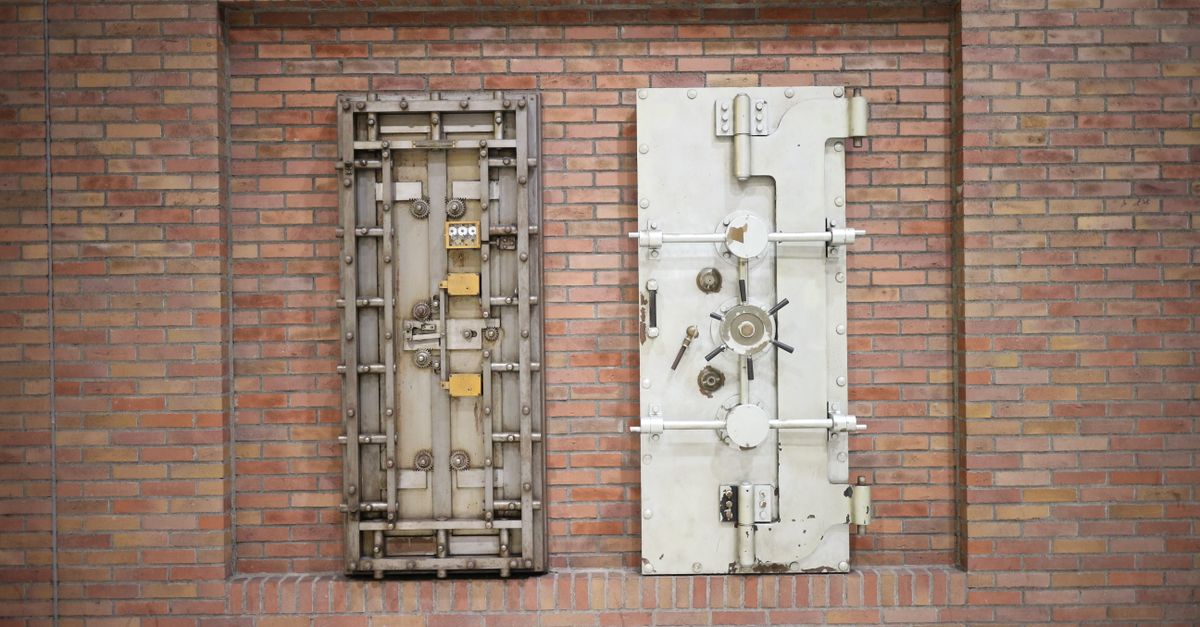
A mortise lock differs fundamentally from a tubular or deadbolt-style unit because the entire mechanism — spindle, cam, latch bolt, and deadbolt — lives inside a cast or forged body that sits flush within the door's thickness. This design lets a single lockset control multiple functions from one keyhole and one thumb turn, which is why builders specified them on virtually every exterior and interior door from the late 1800s through the mid-1970s. Montville homes along the historic districts near the Montville Township Municipal Building still carry original Corbin Russwin mortise lock hardware, and many Baldwin mortise lock units appear on upscale renovations from the 1980s and 1990s — brands chosen for their solid brass bodies and long service life.
The trade-off is complexity. Every component — the case, the hubs, the latch follower, the cylinder cam — must align within tight tolerances. When a door settles (common in New Jersey's freeze-thaw cycles), the mortise body can rack slightly, causing the bolt to drag against the strike. Worn springs cause the latch to fail to retract fully. A corroded or damaged mortise lock cylinder lets the key turn but the cam never catches. These are not cosmetic problems; they are security gaps that our experienced locksmiths diagnose with a physical inspection before recommending the most conservative fix possible.