Car Key Replacement by Make and Model: Why One Size Does Not Fit All
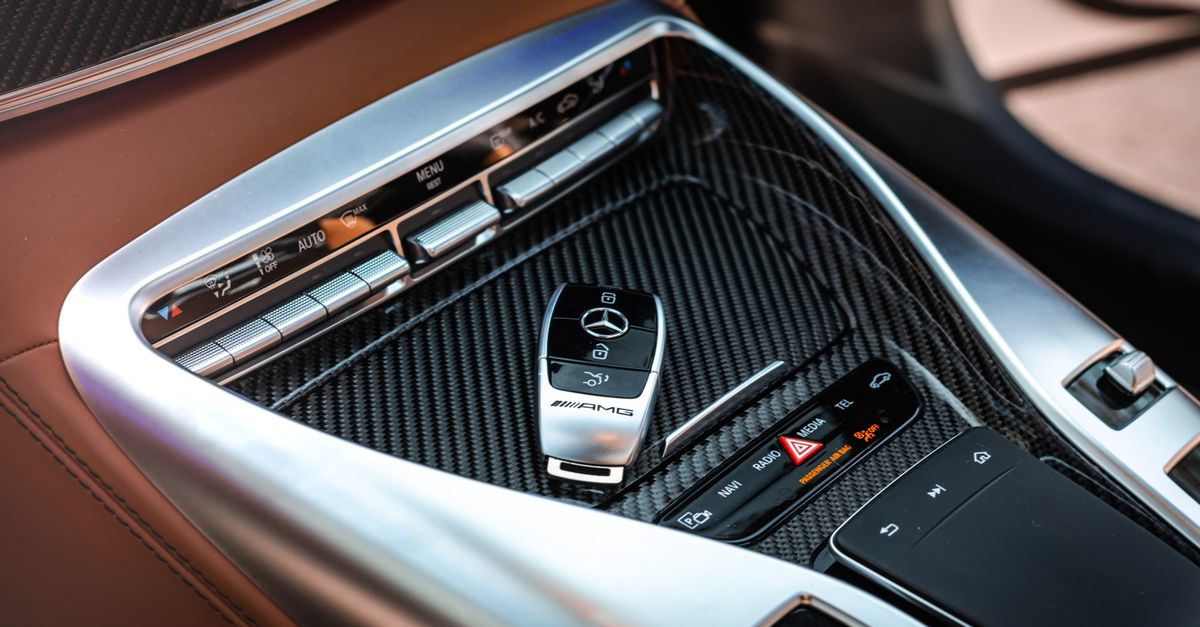
Every automaker uses a proprietary immobilizer and key-programming protocol, which is why a replacement key that works for a Toyota Camry will never work for a Ford F-150 — even if the physical blade looks identical. Our technicians stay current with programming procedures across the full range of domestic and import vehicles: GM, Ford, Chrysler, Honda, Toyota, Nissan, Hyundai, Kia, Subaru, Volkswagen, BMW, Mercedes-Benz, Audi, Volvo, and more. Whether your vehicle uses a basic transponder key, a laser-cut high-security blade, a flip key, a proximity fob, or a push-to-start smart key, we carry the diagnostic and programming tools to generate a correctly coded replacement — not a generic copy that trips your immobilizer and leaves the car in no-start mode.
The cutting side of the job matters just as much as the programming side. Older vehicles that use standard single-sided or double-sided keys can be duplicated from a code or from a worn original. Vehicles requiring laser-cut (track-cut or sidewinder) keys need specialized milling equipment that most hardware stores simply do not carry. High-security keys for European brands often incorporate internal rolling codes that must be written fresh at the time of cutting. Our mobile units carry programmers capable of reading and writing these codes in the field, so Montville drivers are never told 'you have to tow it to the dealer.'