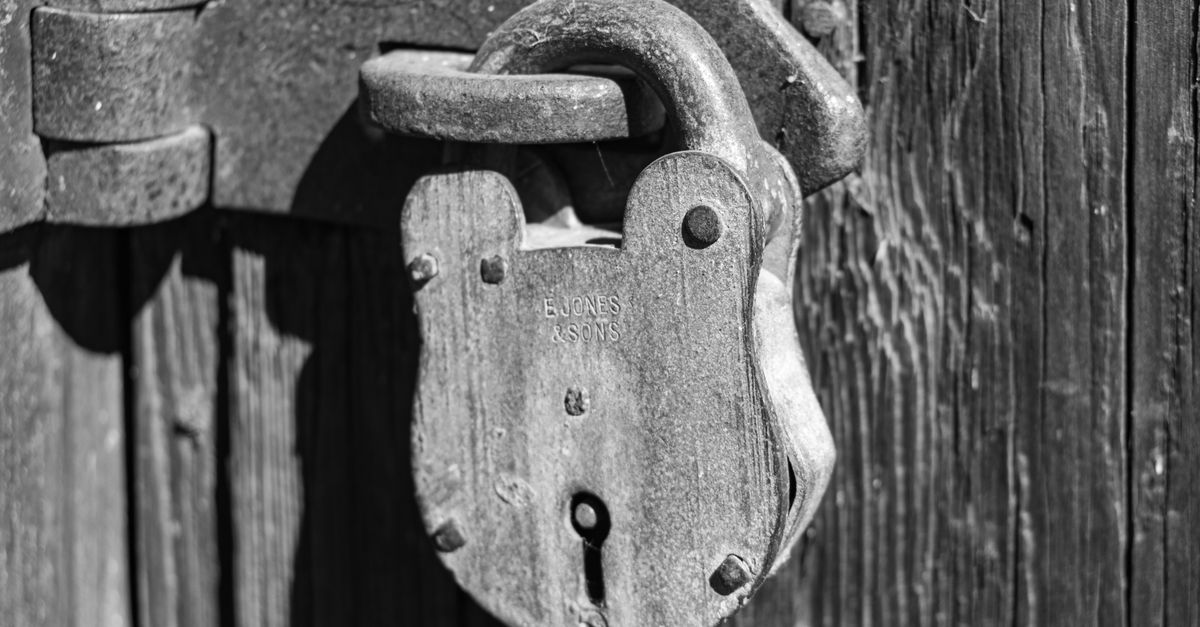
Montville Locksmith Service Team
Local locksmith team
Sep 25, 2026 10 min read
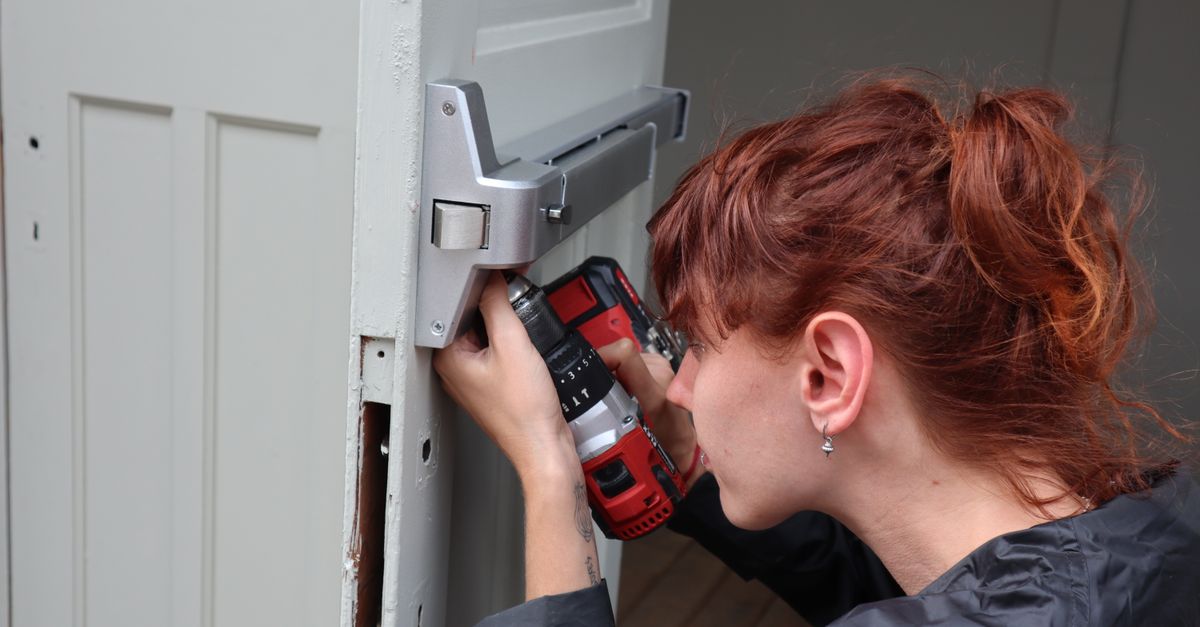
If you own a home along Changebridge Road, in the River Road corridor, or anywhere in the older neighborhoods of Montville, NJ (zip code 07045), there is a real chance your front door was built around a mortise lock — a deep, rectangular hardware system that was the gold standard for residential and commercial entry doors for most of the 20th century. The problem is that when one of these locks fails, many homeowners head to a big-box hardware store, grab a modern cylindrical lockset off the shelf, and discover only after drilling that the two systems are not interchangeable. Understanding which type your door is built for — before you buy anything — saves you time, money, and a potentially damaged door frame.
This guide breaks down exactly what a mortise lock is, how it differs from a cylindrical (bored) lock, how to read your own door to know which system it needs, and when it makes sense to upgrade versus restore. We also cover what to look for in replacement hardware, including modern options like a smart mortise lock, and when calling a professional locksmith Montville team is simply the smarter move.
## What Is a Mortise Lock and Why Are Older Montville Homes Full of Them?
A mortise lock gets its name from the deep rectangular pocket — the mortise — that is chiseled into the edge of the door to receive the lock body. Unlike a cylindrical lock, which uses two holes bored through the door face, a mortise lock set houses the latch, deadbolt, and often a privacy button all inside one large steel case that sits fully recessed within the door. This design distributes force across a much wider area of the door stile, which is exactly why builders and architects specified it heavily from the early 1900s through the 1970s. Montville's older colonial and Victorian-era homes — many of them built before and just after World War II — were routinely fitted with heavy-duty hardware from makers like Corbin Russwin and Baldwin. If your door has an ornate, wide face plate running vertically on the edge, a large keyhole below the knob, or a skeleton-key escutcheon, you almost certainly have a mortise lock set.
The mortise pocket itself is typically 1 inch wide and can run 6 inches or more in depth into the door edge. This matters because if you remove a mortise lock and try to install a standard cylindrical lockset in its place, you are left with a gaping void that the smaller lock body cannot fill — structurally weakening the door and leaving an unsightly gap. Matching the replacement to the existing cut is not just a convenience issue; it is a structural and security one.
## Cylindrical Locks: The Modern Standard That Does Not Always Fit Older Doors
A cylindrical lock — the kind sold as a complete knob-and-deadbolt combo at hardware stores — works by boring two holes through the face of the door: a large 2⅛-inch cross-bore for the knob and a smaller 1-inch latch bore on the edge. The entire locking mechanism lives inside the door face rather than deep in the edge. Installation is fast and the parts are widely available in brands like Schlage and Kwikset, which is why this became the dominant style for residential construction after the 1970s.
For a door originally built for a cylindrical lock, this system is perfectly appropriate. The problem arises when a homeowner — or even an inexperienced handyman — tries to retrofit a cylindrical lock into a door that was mortised. The door stile on older Montville homes is often narrower than the 2⅛-inch bore requires, and the wood surrounding the mortise void may not leave enough material on either side to hold a face-bore lock securely. The result is a door that looks locked but can fail under pressure. A skilled locksmith will assess the remaining wood thickness before recommending any retrofit and will often recommend restoring the original mortise lock set exterior door hardware instead.
## How to Tell Which Lock Type Your Door Needs Before You Buy Anything
Stand at your front door and look at the edge — the narrow strip of wood you see when the door is open. If you see a tall, rectangular face plate (sometimes called an escutcheon plate) that is roughly 7 to 8 inches tall with a latch bolt and sometimes a deadbolt integrated into the same plate, that is a mortise lock. If the edge simply shows a small rectangular strike plate and a single small latch, your door is likely bored for a cylindrical system. Next, look at the face of the door from inside. A mortise lock typically shows two separate trim roses — one for the knob and one for the keyhole — often with decorative casting. A cylindrical lock shows a single integrated assembly. Finally, remove the interior trim rose if you can (usually two screws) and peek inside: if you see a metal case deeper than 3 inches recessed into the edge, you have a mortise lock. If the mechanism is surface-mounted to a shallow hole, it is cylindrical.
One more test: try to find a stamp or casting mark on the existing hardware. Older Montville homes very commonly turn up Corbin Russwin mortise lock hardware — a brand with roots going back to the 1800s — and Baldwin mortise lock trim pieces, both of which are still manufactured today. Finding that mark matters because both brands still produce replacement cylinders, trim sets, and complete lock bodies that drop into the original mortise pocket without any additional carpentry. If you cannot read the mark, photograph the face plate dimensions and the case depth and share those with a professional locksmith before purchasing anything. Our team at Montville Locksmith can identify the system quickly during a service call and source the correct replacement parts, confirming an exact up-front price before any work begins. For urgent situations — whether a door knob lock has stopped retracting or a mortise lock cylinder has snapped off — call us any time at (973) 679-4879. We answer 24/7.
## Restore, Replace, or Upgrade? Choosing the Right Path for Your Montville Home
Once you know you have a mortise lock, you have three realistic paths. First, restore: if the lock body is fundamentally sound but the mortise lock cylinder is worn, rekeyed past its useful life, or simply lost its key, a cylinder swap is often all that is needed. A trained locksmith can remove the existing cylinder, source a matching replacement, and rekey it to your current key — or to a new key that works all your exterior doors. This is the most economical path and keeps the original hardware intact, which matters for historic homes and for resale value in neighborhoods where period details are a selling point.
Second, replace like-for-like: if the lock case itself is damaged — broken cam, failed spring, corroded bolt — a full mortise lock set replacement with a matching case size is the right move. Because both Corbin Russwin and Baldwin still manufacture standard case sizes, this is often straightforward as long as the dimensions match. Third, upgrade to a smart mortise lock: several manufacturers now produce mortise-format smart locks that drop into a standard mortise pocket and add keypad, app control, or Z-Wave integration without changing the door's cut. This is a growing option for Montville homeowners who want modern convenience without replacing their solid older doors. Our team can advise on compatibility and handle the installation so the trim sits flush and the electronics are set up correctly from the start.
## 25 Lock and Door Security Services We Provide for Montville Homeowners and Beyond
Whether your home has a century-old mortise lock or a brand-new smart deadbolt, Montville Locksmith handles the full range of residential, automotive, and commercial locksmith needs across the Montville area. Here is what our mobile team provides: residential lockout response; mortise lock set installation and replacement; mortise lock cylinder re-keying; cylindrical deadbolt installation; smart lock installation and programming; high-security lock upgrades; master key system design; door hardware consultation and sourcing; door frame and strike plate reinforcement; sliding door and patio lock service; window lock installation; garage side-door lock repair; commercial door lock installation; commercial master key systems; office and storefront lockout service; file cabinet and desk lock service; safe opening and combination changes; automotive lockout service; car key replacement; transponder key programming; key fob replacement and programming; broken key extraction (door and ignition); motorcycle and recreational vehicle key service; emergency locksmith response any hour of the day or night; and security assessment walkthroughs to identify vulnerabilities on your property. Every service call starts with a confirmed up-front price — the final quote depends on factors including the lock type and brand, any parts needed, travel distance within the Montville area, and time of day — so you know exactly what you are agreeing to before we begin.
Frequently asked questions
Can a locksmith let me into my house if I am locked out?+
Yes — responding to residential lockouts is one of the most common calls we handle. When you contact us, we will ask you to verify ownership of the property, typically by confirming your address and showing a valid ID on arrival. Our trained technician will then use professional methods to open the door without damaging the lock or frame wherever possible. We never teach or use forced-entry techniques that could compromise your door. If you are locked out in Montville or the surrounding area, call (973) 679-4879 and we will dispatch a mobile locksmith to you — 24 hours a day, 7 days a week.
How long does it usually take for a locksmith to come?+
Response time depends on your exact location, current call volume, and traffic conditions — but for most calls within the Montville, NJ area, our mobile team typically arrives well within the hour. We are a 24/7 operation, so there is no added wait for nights, weekends, or holidays. When you call (973) 679-4879, we will give you a realistic arrival estimate right on the phone so you are not left guessing.
What is the difference between a locksmith and an auto locksmith?+
A general locksmith handles residential and commercial door locks, rekeying, safe work, and security hardware. An auto locksmith specializes in vehicle entry, car key cutting, transponder programming, and ignition repair. At Montville Locksmith, our mobile team is experienced in both — so the same technician who can replace a mortise lock cylinder on your front door can also program a replacement key fob for your vehicle. You do not need to call two different services.
What are the requirements to get a locksmith license in New Jersey?+
New Jersey does not currently operate a statewide locksmith licensing program the way some other states do, which means there is no single state-issued license required to work as a locksmith in NJ. That said, reputable locksmiths carry general liability insurance, invest in ongoing professional training, and build their reputation through verifiable local experience. When evaluating any locksmith, ask whether they are insured, how long they have operated in the area, and whether they provide a confirmed price before starting work — all things our team at Montville Locksmith can answer directly and honestly.